
Zanzibar Tourist Attractions, Activities, Information What to see and things to do?, Where to stay?, old town, a world heritage site with historical buildings like house of wonders, Idyllic islands like mnemba, changuu (prison island), mafia, thanda , 6 world famous beaches of Nungwi, Pongwe, Matemwe, Pwani Mchangani, Kiwengwa, Kizimikazi, Visitor activities- excursions, bird watching, cultural tours, spice tours and water sports like snorkeling, scuba diving, deep sea fishing, port cruises, Dophin tours, Sun bathing, swimming and beach walk, Cultural festivals- sauti za buzara, mwaka kongwe, zanzibar film festival, local markets, Nature reserves like Jazoni Forest and Ngezi nature fishing villages of Nungwi, Kizimkazi, beach hotels and accommodation in East coast hotels, North coast hotels car hire and rental
"For infinite holidays and fearless adventures- they don't call us safari and car hire kings for nothing"
What constitute local, tourist or visitor attractions?
Attractions, also called local, tourist or visitor attractions comprise of the seedos, things to see and things to do. The things to see, attractions, or items of eye appeal and or excits our hearts, that which attracts the attention of our eyes like beautiful scenery, mountains, rivers, sea, ocean, beaches, the culture i.e. events, architecture, wildlife and many more. Culture, a people way of life, what they wear, how they build, their religion and beliefs. The components of culture are history, architecture, religion, dress, beliefs, conservation, literature, music, language, dance songs and singing, taboos and customs, arts and crafts, leisure and recreation, literature food and eating habits, events, ceremonies, governance and politics, social justice, economy.
Every year thousands of visitors from all over the world flock into Zanzibar to enjoy their holidays. A significant number of visitors come for business. Others come for religious, cultural festivals and events. Ours is to give the most appropriate answers to these questions. What's pulling people to Zanzibar? Or What are the tourist attractions in Zanzibar? What tourist activities are on offer in Zanzibar? What is the allure, magic of Zanzibar? Zanzibar's fame as a world class tourist destination is attributed to its excellent location and agreable climate, numerous activities and attractions on offer like scuba diving, deep sea fishing, and snockerling, political stability, world class facilities, annual cultural events and festivals not forgeting the friendly atmosphere afforded by the Zanzibari.
For all information on destination Zanzibar; Contact us now Quick CONTACT: WHATSAPP: +254723684974; Email: rnxploresafaris@gmail.com info@gorillasafarisrwanda.com ;Telephone/ call us +254723684974/ +254729641204
Tourist attractions in Zanzibar comprise of what tourist/ vistors see(attractions) and what they do (activities), watersports such as scuba diving, kayaking, deep sea fishing, shore cruises and boatrides; award winning world class white sandy palm fringed beaches in the backdrop of clear blue skies, colorful marine and coral gardens, warm waters of the indian ocean in addition to rich swahili culture of the locals characterized by long history, wonderful architecture, rich hospitality background. The warm tropical climate characterized by a cool perfumed ocean breeze is a major plus without which all the above would be irrelevant. Whats the best time to visit Zanzibar? Besides the rainy season (Which should be avoided by all) the rest of year.

Lovely palm fringed beaches, water sports, rich culture and historical sites are some of the unique tourist attractions in Zanzibar. Our safaris in Zanzibar are conducted by knowledgeable guides with deep knowledge of local culture. The safaris will include visits to the historical old town commonly referred to by the locals as 'Mji Mkongnwe'. The best way to get around Zanzibar is by foot. Other options include-motor taxi, motor cycle, bicycle, matatu. You can also rent a car. The best dive centres and padi schools are to be found in the north (Nungwi) and east coast.
Below a list of 18 tourist Attractions in Zanzibar
The stone town refers to that area of Zanzibar in the heart of the old town with winding narrow streets and historical buildings. This part of Zanzibar is referred to by the local people as 'Mji Mkongwe' translated Ancient Village or Old town. Our guided safaris in this part of Zanzibar includes visits to the historical sites and buildings like house of wonders, palace museum (People's Palace), Livingstone's House, Old Fort, former slave market, bazaars, old harbor etc.
The old town tour takes you to the following historical sites
The first to have electricity in the Zanzibar, it is the former palace of Sultan Barghash.
Used to be the Royal residence of the Sultan of Zanzibar until the dynasty was overthrown in 1964.
In recent years it has been renovated to house the Zanzibar Cultural centre. The Arab Fort is the centre of Zanzibar Festivals. These include Zanzibar Festival of the Dhow Countries / Zanzibar International Film Festival- This festival involves theatre, traditional and co temporally music, display of paintings, crafts and sculptures. The Festival is held from 30 June to 9th July every year. The Zanzibar Cultural Festival- Also held for a whole week in July, it brings together musicians from different parts of the world.
Constructed in 1877 on the site of former slave market it is still in use today. The only evidence of the slave activities are the underground chambers at the St. Monica hostel.
Built by Sultan Said Majid who ruled Zanzibar from 1856 to 1870 built this house around 1860. Dr. David Livingstone used it as a base for his last journey into the interior of Africa. Several other missionaries and explorers also used it as a starting point e.g. Burton and Speke.
Located on the seafront along Mizingani road, four story building with a set of decorative balconies served as a dispensary during colonial times but fell into disrepair in the 1970's and 1980's. It has been successfully restored with funding from the Aga Khan Trust for Culture.
Zanzibar has warm tropical waters ideal for coral growth and development. Shallow lagoons with colorful coral gardens surround the island. The best time to dive is between October and March. Water visibility will vary from 5 meters to 30 meters. Popular dive sites are located to the north coast (Nungwi), North east coast (Mnemba Atoll) and East Coast Metemwe. Located near Pemba Channel is the Leven Banks with deep waters ideal for seasoned divers. The Mnemba Atoll off the north east coast of Zanzibar provides deep dives of up to 30 meters. Dive locations near stone town- Turtle Reef, Baribo Reef and Morogo reef though not popular with divers have rich colourful coral gardens. Serious divers should try Pemba, reputed to be the diving capital of East Africa.
The stand alone lush green island of Pemba is a tropical paradise surrounded by colorful coral gardens. The waters are crystal clear with visibilities of 30 to 50 meters. All dive sites in Pemba are excellent. Dive sites in the west coast are located in three islands of Njao, Mesali and Fudhu. Mtaani channel to the south coast is fascinating with clarities of 50 meters. However the strong up and down currents makes it ideal for only seasoned divers. Places of stay in Pemba include Manta Reef Lodge for luxury, Swahili divers lodge for budget travelers. The easiest way of getting to Pemba is flying in. Speed boat transfers are available from Kenya. Ships from Zanzibar takes lots of time.
Zanzibar is famous for her cloves. Other spices are nutmeg, vanilla, cardamon and cinnamon, the spices which motivated the Sultan of Oman to settle there permanently. Other than species, the island famous for tropical fruits, perfumes plants and food crops. Coconut palms, maize, yams, cassava are grown. Zanzibar is the main exporter of cloves in the world. Coconut palms source of copra used for flavouring and Coir, a strong fibre used for robes and mat making. Today timber from coconut palms is used to make attractive furniture.
Jozani forest and Ngezi nature reserves are the centre of biodiversity in Zanzibar. Jozani forest is the largest area of mature forest left on the island. It is also host to the endangered Zanzibar Red Colobus monkey , several species of butterflies, about 40 species of birds and several other animals.
Over 200 species of birds have been identified in Zanzibar
Zanzibar is home to various mammals-leopard, galago ( bush baby, Java civet, African civet, various mongooses, Zanzibar red colobus, blue monkey vervet monkey bush pig, tree hyrax, Alder's duiker, sunis have all been recorded.
Zanzibar is the best place to spot the giant tortoise. Other reptiles include frogs and chameleons.
Across the west coast of Zanzibar 30 minutes by boat from Stone town is Changuu Island with its beautiful beaches ideal for swimming, sun bath and snorkeling
Located in the southern tip of Zanzibar, the fishing village hosts several schools of Dolphins, 12th Century mosques, tombs dating 17th Century. The highlight of the tour to the village is a swim with the dolphins.
To the Northern tip of Zanzibar lies the fishing village of Nungwi which is famous for its beautiful beaches ideal for swimming sunbathing or just relaxing.
Zanzibar is famous for its dance and music. Taraab is a very alluring and attractive dance performed by the Zanzibar. Besides, there is Ngoma ( drumbeating. Most of the hotels will organize traditional tropes to perform Taraab or Ngoma for their guests.
Cultural festivals in Zanzibar are marked with lots of great pomp and enthusiasm. They are a time of merry making and generosity, visiting friends and relatives and of course a time of great shopping.
End of the holy month of Ramathan is not complete without exchange of gifts. This day know as Eid (Sikukuu or holyday) is not known as it depends on lunar calendar. Once announced, it opens the gates of great celebrations and merry making. People mark it by preparing traditional swahili food, visiting friends, relatives, dancing to tarab and disco concerts, buying of new clothes.
celebrated end of July. The four day long festival culminates with a ceremony at Makuduchi village. The festival is marked by mock fights among men and big bon fires. Women dressed in their best grace the occasion with singing songs of love.
Also called Swahili Music and Cultural Festival is a three day long extravagance exhibiting showcasing a diversity of performing arts- music, theatre and dance.
Held in the first two weeks of July. The festival is held together with Festival of the Dhow Countries and it celebrates the arts and cultures of the African and the Gulf States of Iran, India, Pakistan and the islands of the Indian Ocean, collectively known as the Dhow countries. Activities include music, theatre and dance performances, workshops and exhibitions.
To organize your guided tour of Stone town Email us: rnxploresafaris@gmail.com
Any person looking for accommodation in Zanzibar is spoilt for choice. Zanzibar has numerous facilities to choose from ranging from basic cheapest properties to cater for tourists or budget travellers to most luxurious vip class resorts for businessmen and company executive. No matter you class we have great deals for you. For best offers, cheapest discounted rates and prices of accommodation hotels, resorts, homestays and apartments in Zanzibar, Email: rnxploresafaris@gmail.com, Tel:/WhatsApp +254723684974

Zanzibar is famous for its world class hotels and resorts of diverse categories to cater for different class of travellers. Alongside the luxuty hotels are mid range and budget properties. Most of the hotels are beach front property opening into white sandy palm fringed beaches, calm warm turquoise waters. Depending on location we have:
At 4x4 car hire Tanzania we offers 24 hours service at tel +254723684974 or WhatsApp+254729641204 or Email us: at rnxploresafaris@gmail.com.

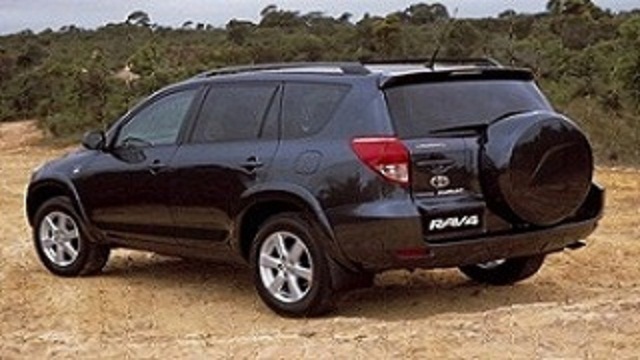
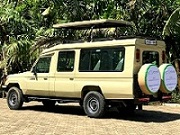
The above 4wd car hire rates are valid throughout the year. The rates include:

Wildebeest migration safari are organized in bothMaasai (Masai) Mara and Serengeti National Parks. The duration of the safari depends on various factors but mostly on time and budget but also the flexibility of the guest. The all drive 11 days Masai Mara Serengeti/ Ngorongoro/ Manyara Migration Safari commences from Nairobi and returns to the same via Maasai Mara, Serengeti, Ngorongoro, Manyara, and Amboseli. The 8 days fly drive Wildebeest Migration Safari Masai Mara National Park (Mara Explorer 8 days) is a luxury option. Guests fly from Nairobi Wilson to Masai Mara and return to the same.The 4 days 3 Nights Migration safari combines Masai Mara, Lake Nakuru National Park and Lake Naivasha. The 6 days Best of Tanzania Safari focuses on wildebeest migration in Serengeti National Park. The best time to witness migration in Masai Mara National Park Kenya, is between July to September. Serengeti National Parkis best visited between March and May.
Tanzania National parks and Safaris
Ngorongoro Serengeti Lake Manayara safari 7 days
Nairobi /Maasai Mara/ Serengeti /Ngorongoro /Manyara/ Amboseli 12 days


 1
1 2
2 3
3 4
4 5
5 6
6 7
7 8
8 9
9 10
10 11
11 12
12 13
13 14
14 15
15 16
16 17
17 18
18